Wood & Vinyl vs. Ceramic Tiles: Which Flooring Wins?
Luxury Vinyl Tiles
Engineered Wood
-May 19, 2025

1. Warmth and Comfort
Ceramic tiles may be durable, but they’re also cold and hard underfoot—especially during winter months or in spaces where the air conditioning runs all day. This can make rooms feel less inviting and less comfortable overall. In contrast, wood and vinyl flooring provide a softer, warmer surface that adds comfort to daily living. This is especially beneficial in living rooms, bedrooms, and homes with children or elderly individuals, where comfort and safety matter most. Walking barefoot on wood or vinyl just feels better—cozy, quiet, and natural.
2. Aesthetic Appeal
There’s no denying the natural charm of wood grain or the stylish versatility of luxury vinyl tiles, These flooring types bring a sophisticated, high-end look that complements a wide variety of interior design themes from rustic to modern. While ceramic tiles can look elegant, they often lack the natural warmth and texture that wood and vinyl deliver effortlessly.
3. Effortless Setup and Easy Care
Unlike the labor-intensive process of installing ceramic tiles, which involves mortar, grout, and exact cutting, wood and vinyl flooring offer a simpler installation process. Many click-lock systems allow for quick, mess-free installation a feature that even makes these floors a good choice for DIY projects.
When it comes to maintenance, these floors are incredibly low maintenance. Vinyl’s resilience against moisture, stains, and scuffs makes it easy to keep clean, while wood flooring can simply be refinished rather than replaced. Ceramic tiles, however, are prone to cracking and often have grout lines that trap dirt and are difficult to clean.
4. Built to Last and Easier to Live With
Wood and vinyl flooring are built for performance over the long haul. They’re designed to handle the demands of busy spaces without losing their charm. Many of these floors feature advanced materials like SPC or engineered wood, which not only improve durability but also help in temperature regulation a practical benefit, especially in homes with air conditioning running throughout the day.
These floors also excel in practicality. Vinyl’s water resistance makes it ideal for wet areas, and it’s resistant to scratches and wear. Engineered wood can be easily restored through sanding, avoiding the need for total replacement. Ceramic tiles, on the other hand, can suffer from chipping and often require you to replace the entire tile if damaged.
5. Better Value Over Time
While high end ceramic tiles can be expensive to purchase and install, wood and vinyl flooring often offer better value for money. They are cost-effective, quick to install, and easy to maintain saving homeowners time and money in the long run. Vinyl, especially, gives the look of premium materials without the premium price tag.
The Clear Winner
While ceramic tiles still have their place, today’s homeowners and interior designers are increasingly choosing wood and vinyl flooring for their superior comfort, modern style, long-lasting durability, and overall value. This growing preference reflects a shift toward flooring that not only looks good but also feels better and performs well in everyday life. Whether you're renovating your home or designing a commercial space, wood and vinyl flooring stand out as the smart, modern choice.
Recent Post


The Right Flooring for Your Commercial Space
August 05, 2025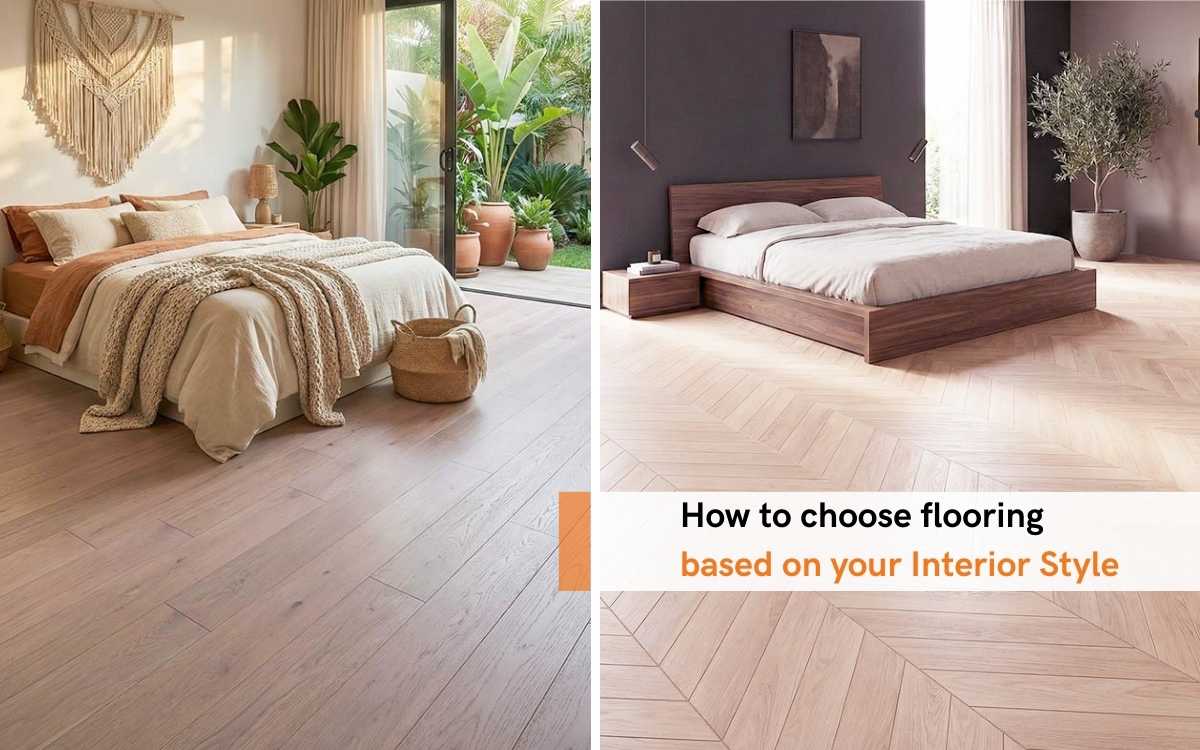
How to Choose Flooring Based on Your Interior Style
July 18, 2025