Scratch Resistant vs Scratch Proof: The Truth
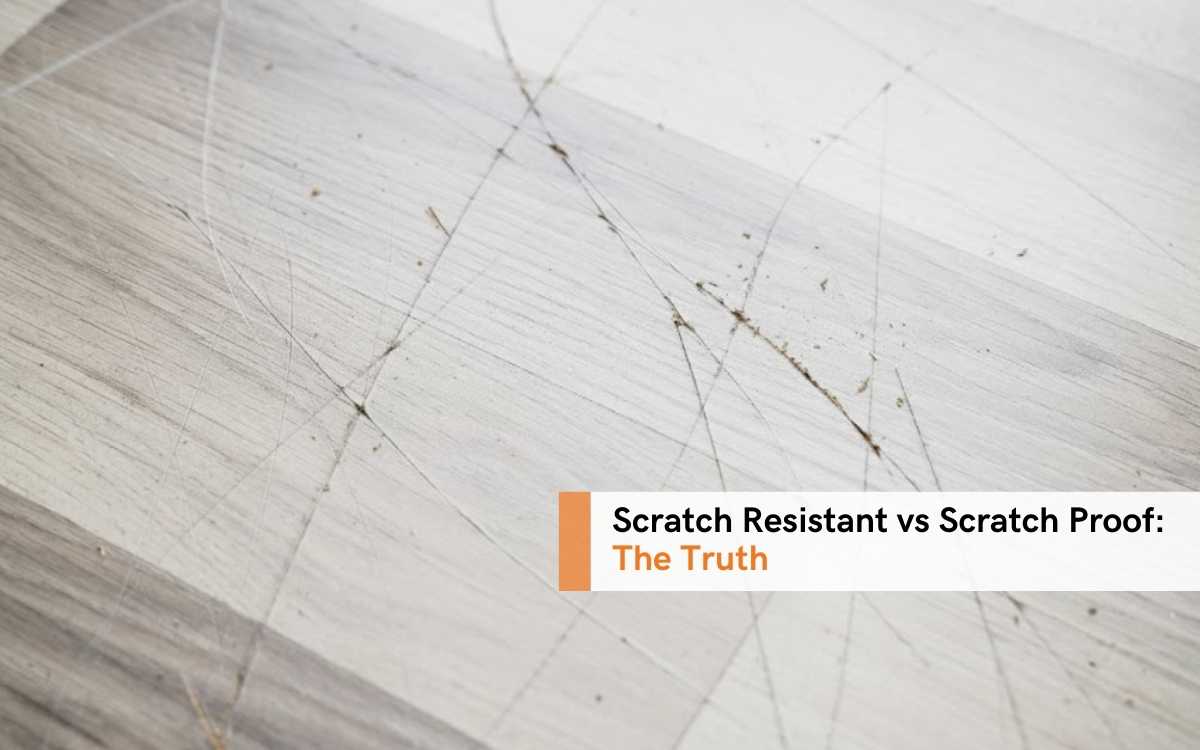
Scratch Resistant vs. Scratch Proof Flooring: Are they the same?
Durability is one of the top considerations when choosing new floors.
A common concern is how well a floor will stand up to scratches. You may have heard of scratch-resistant and scratch-proof flooring, but what's the difference between them? Let's break it down to help you make an informed decision.
What is Scratch Resistant Flooring?
Think of scratch-resistant flooring as being like a tough warrior. It's strong and can withstand a lot of wear and tear, but it's not invincible. It can resist scratches from everyday activities like walking, dropping things, and even pet claws.However, if you're really rough on it or use sharp objects, it might still get scratched.
What makes a floor scratch-resistant:
Scratch resistance often depends on the materials used and the protective layers applied to the floor. For example:
Laminate Flooring is often coated with a hard, transparent protective layer made of aluminium oxide, making it more resistant to scratches. Luxury Vinyl Tile flooring has a protective wear layer that shields the vinyl from scratches. Engineered wood on the other hand, has layers of protective finish, but it's still vulnerable to deep scratches if something heavy or sharp is dragged across it.
What is Scratch Proof Flooring?
Here’s the truth: scratch-proof flooring doesn’t really exist. No floor can be completely immune to scratches or damage. While some marketing might suggest a floor is "scratch-proof," it's typically just very scratch-resistant. Even the most durable floors can show signs of wear over time if not cared for properly.
Now that we know the difference between scratch-resistant and scratch-proof flooring, it’s clear that no floor is 100% immune to damage. If you’re looking for a flooring option that can hold up well to scratches, it’s better to focus on scratch-resistant materials rather than looking for something advertised as scratch-proof. Just keep in mind that care and maintenance are key, no matter how tough the floor is.
Tips for Avoiding Scratches
Here are some of the generic cleaning tips from us to keep your floor looking fresh and at its best: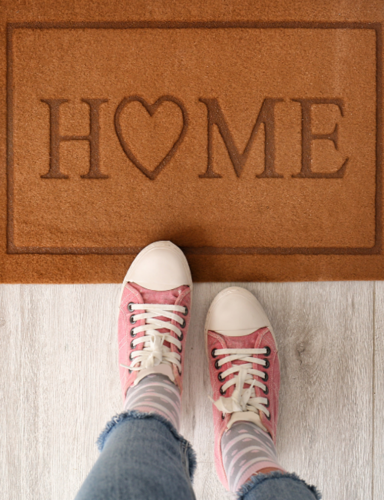
Use doormats and rugs. Doormats can help to catch dirt and grit before it gets onto your floors, and rugs help protect the floor, especially in high-traffic areas.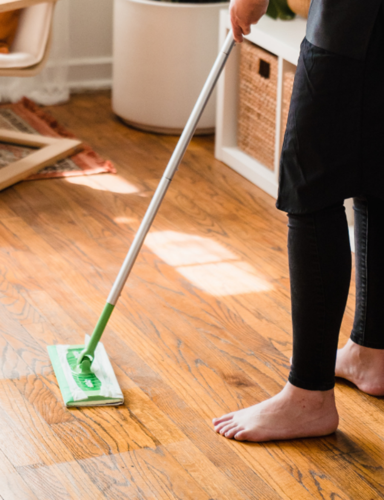
Vacuum or mop your floors regularly to remove dirt and debris.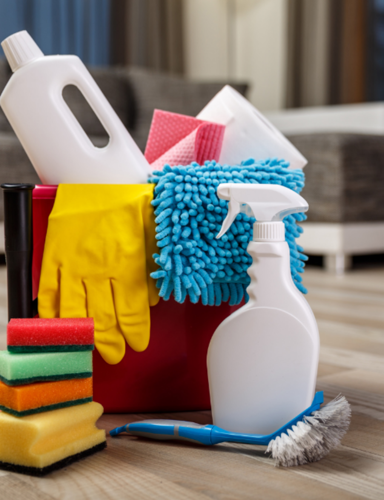
Use gentle cleaners and avoid abrasive materials that can scratch the
surface.
.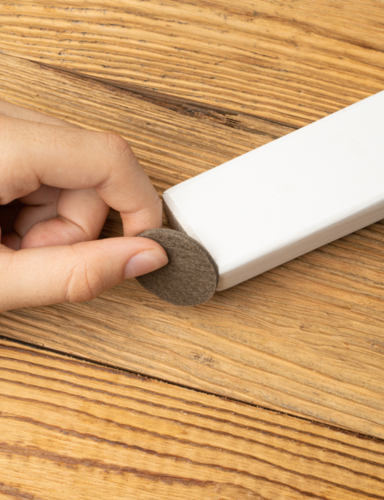
Use furniture sliders to protect the surface such as placing pads under the legs of chairs, tables, and sofas to avoid scratches when they move.
Providing proper care of your floors means you can enjoy a beautiful, long-lasting surface that holds up well against daily wear and tear. Just remember, scratch-resistant floors offer great protection, but a little extra care goes a long way!
Have more questions about flooring, or looking to revamp your space with new floors? Contact us!
Recent Post
Flooring Built for Sand, Dust & Foot Traffic
September 10, 2025
The Right Flooring for Your Commercial Space
August 05, 2025